A quiet afternoon at a high-end boutique unfolded into a powerful lesson about respect, assumptions, and professionalism.
An elderly man walked into the boutique wearing simple, worn clothing. His appearance did not match the polished atmosphere of the store, where tailored suits and luxury fabrics surrounded carefully arranged displays. He moved slowly, observing the garments with genuine interest, pausing in front of a classic suit.
To him, it was not just a piece of clothing. It represented something meaningful.
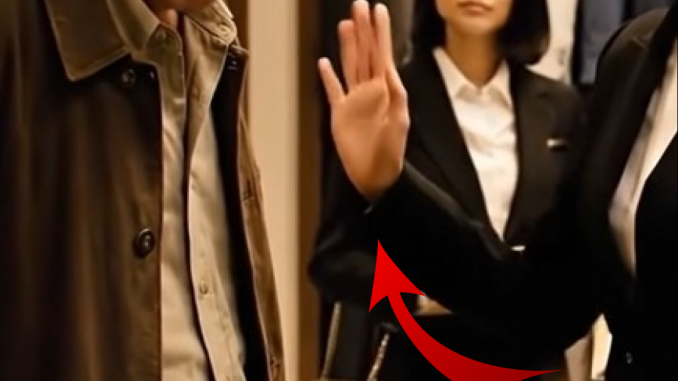
When he approached a sales employee and politely asked about trying the suit, the interaction quickly shifted. The employee glanced at his clothes and hesitated. Instead of asking questions or offering assistance, she responded in a dismissive tone.
She explained that the boutique specialized in premium products and suggested that the store might not be the right place for him.
The man remained calm. He repeated that he simply wanted to try a suit.
But the employee’s assumptions had already shaped the moment. Her words became firmer. She implied that the boutique was intended for customers with a certain level of spending power and subtly suggested that he did not belong there.
Other customers nearby began to notice the tension.
Without raising his voice, the man nodded politely. He thanked her and stepped away from the display. There was no argument, no confrontation — only a quiet exit that left an uncomfortable silence behind.
A short time later, the atmosphere in the boutique changed.
The same elderly man returned, this time accompanied by a store manager who greeted him warmly and with clear respect. Staff members immediately sensed that something was different.
It soon became clear that the man was not just a visitor. He was the owner of the boutique.
His earlier visit had not been accidental. He had chosen to enter quietly, dressed modestly, to observe how customers were treated when they did not fit expectations.
The realization spread quickly through the store.
The manager addressed the situation professionally. The issue was not about appearance or status, but about service standards. Every customer, regardless of how they look, deserves the same level of respect, attention, and professionalism.
The employee who had dismissed the man understood the seriousness of the mistake. Assumptions had replaced curiosity. Judgment had replaced service.
The manager explained that the boutique’s values required consistency, empathy, and professionalism at all times. Because those standards had not been met, a formal decision was made regarding the employee’s role.
The moment was difficult, but it carried an important message for the entire team.
The elderly owner did not raise his voice or speak harshly. Instead, he emphasized a principle that guided the business: a boutique is defined not only by its products, but by how people are treated inside it.
Soon after, he proceeded with what he originally came for — being fitted for the suit that had caught his attention.
The story spread among staff as a reminder that first impressions can be misleading and that professionalism should never depend on assumptions.
In the end, the lesson was simple yet powerful: respect is not reserved for certain customers. It is the foundation of every meaningful interaction — and the true measure of any business.
<iframe width=”635″ height=”1129″ src=”https://www.youtube.com/embed/pJkh5HM46gg” title=”They Told Him He Didn’t Belong — He Owned the Boutique” frameborder=”0″ allow=”accelerometer; autoplay; clipboard-write; encrypted-media; gyroscope; picture-in-picture; web-share” referrerpolicy=”strict-origin-when-cross-origin” allowfullscreen></iframe>