In a city known for fine dining and polished service, one quiet evening became an unforgettable lesson about dignity, judgment, and the true meaning of professionalism.
The restaurant was filled with soft lighting, elegant music, and guests dressed in tailored suits and evening dresses. Every table was occupied, every server moving quickly between plates and glasses with trained precision. It appeared to be just another successful night in a well-respected establishment.
Then the front door opened.
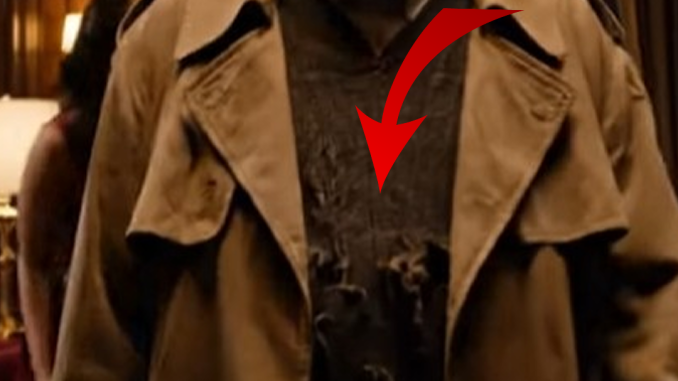
An older man stepped inside, wearing a worn coat, layered clothes, and shoes that had clearly traveled many long roads. His posture was calm, his expression gentle, and his eyes observant. He did not rush. He did not interrupt. He simply walked forward, hoping to find a place to sit and order a meal.
The moment he crossed the threshold, conversations softened. Several guests glanced up from their plates. A few servers paused mid-step. In a room built on appearances, his presence stood out.
One of the waitresses approached quickly. Without greeting him, she pointed toward the door and raised her voice, explaining that this was a private restaurant and that he should leave immediately. The man remained polite, quietly asking if he might simply sit and eat.
Instead of listening, another waitress joined her. She stepped back, covered her nose slightly, and whispered comments to her coworkers while casting judgmental glances in his direction. Their discomfort was visible. Their tone was cold. To them, he was not a guest — he was an inconvenience.
The man did not argue. He did not defend himself. He simply stood there, calm and patient, absorbing the reactions around him.
Then something different happened.
A young male waiter noticed the scene unfolding and walked toward them. His movements were steady, his expression respectful. Without raising his voice or showing frustration, he placed himself gently between the man and the two waitresses.
He pulled out a chair at a nearby table, wiped the surface clean, and gestured politely for the man to sit. He spoke kindly, offering water and assuring him that he would be served like any other guest.
As the man took his seat, the tension in the room shifted. Some guests looked surprised. Others watched with quiet curiosity.
The waiter returned moments later carrying a warm plate of food and a glass of water. He set them down carefully, smiled, and asked if there was anything else he could provide. The man thanked him sincerely, his voice filled with gratitude.
For several moments, the restaurant returned to its usual rhythm.
Then the man slowly stood.
He removed his worn coat. Then his scarf. Beneath the layers appeared a perfectly tailored suit, pressed and elegant. His posture straightened. His expression changed, not to anger, but to calm authority.
Silence spread across the room.
He turned toward the staff and spoke clearly.
He introduced himself as the chief executive officer of the company that owned the restaurant. He explained that he had come that evening for a routine inspection — not of the food or the décor, but of how people were treated when no one believed status mattered.
The two waitresses froze in disbelief.
Without raising his voice, the CEO addressed their behavior directly. He spoke about professionalism, respect, and the responsibility that comes with serving the public. He informed them that their shift was ending immediately.
Then he turned to the young waiter.
He thanked him for his integrity, his compassion, and his understanding of what true service means. He told him that such character was rare — and valuable.
That night, one person lost a position. Another gained an opportunity.
And everyone who witnessed the moment learned a simple truth.
Kindness does not depend on appearance.
Respect does not wait for wealth.
And character is revealed when we believe no one important is watching.
In the end, the most important inspection had nothing to do with business.
It was an inspection of the human heart.